
Surfaces are what modern interiors are increasingly about, and one of the easiest ways to make a more impactful impact through surface design is to introduce a wall panel design that speaks volumes. This design yields dimension, symmetry, and character to walls that are bland and uninspiring. As homeowners and designers look for more expressive but still functional solutions, paneling has become a versatile element that can fit into any number of aesthetics.
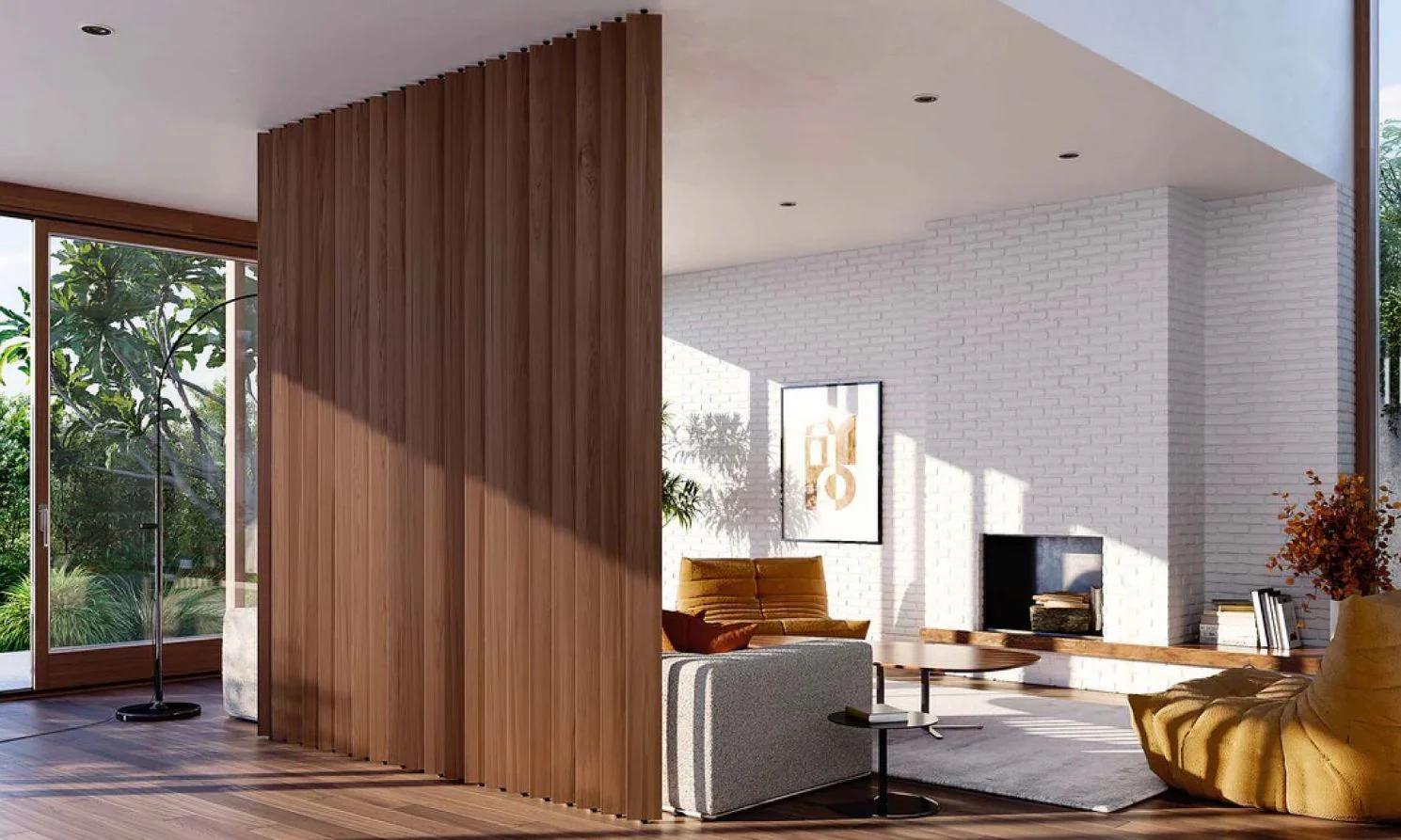
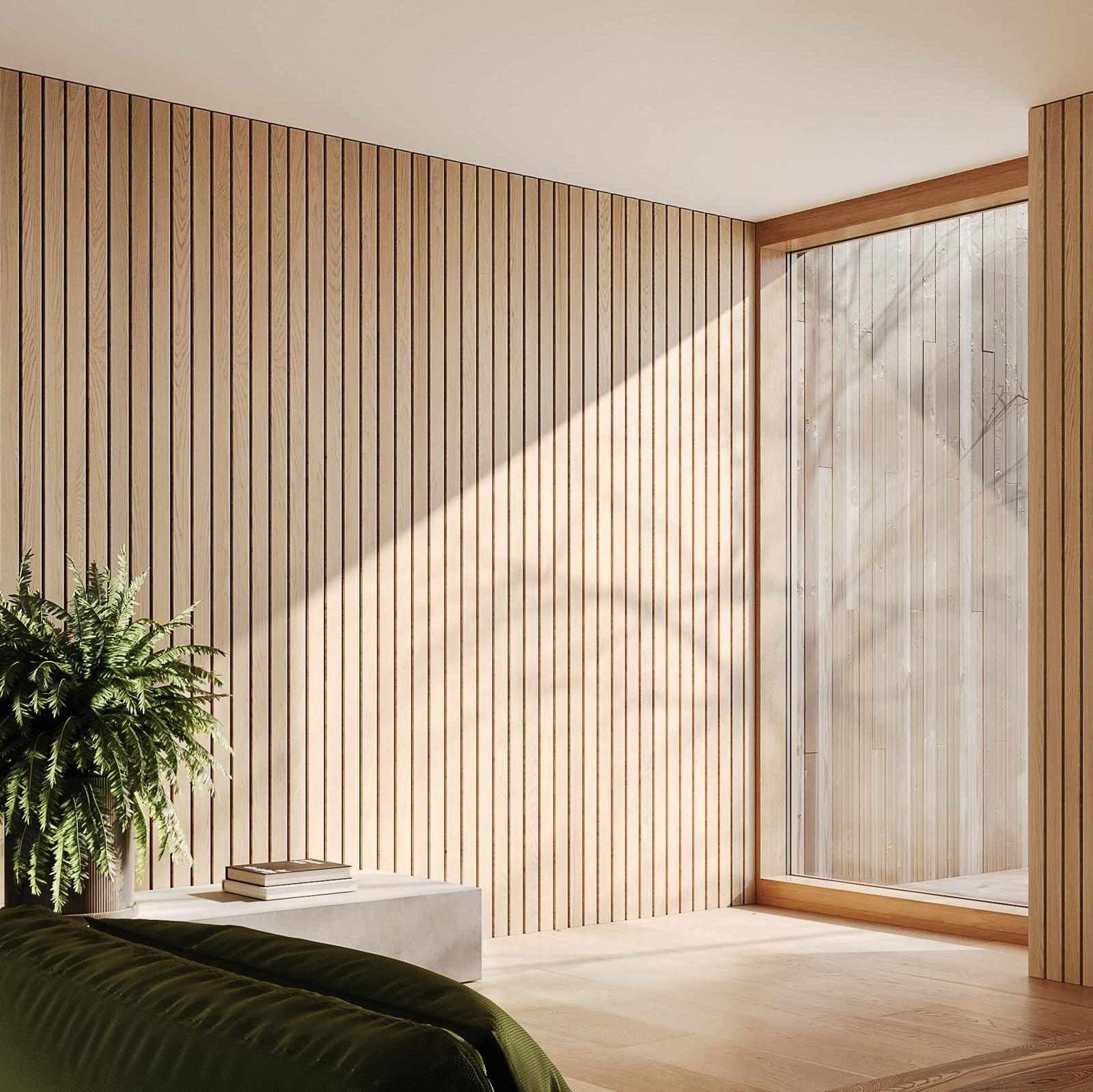
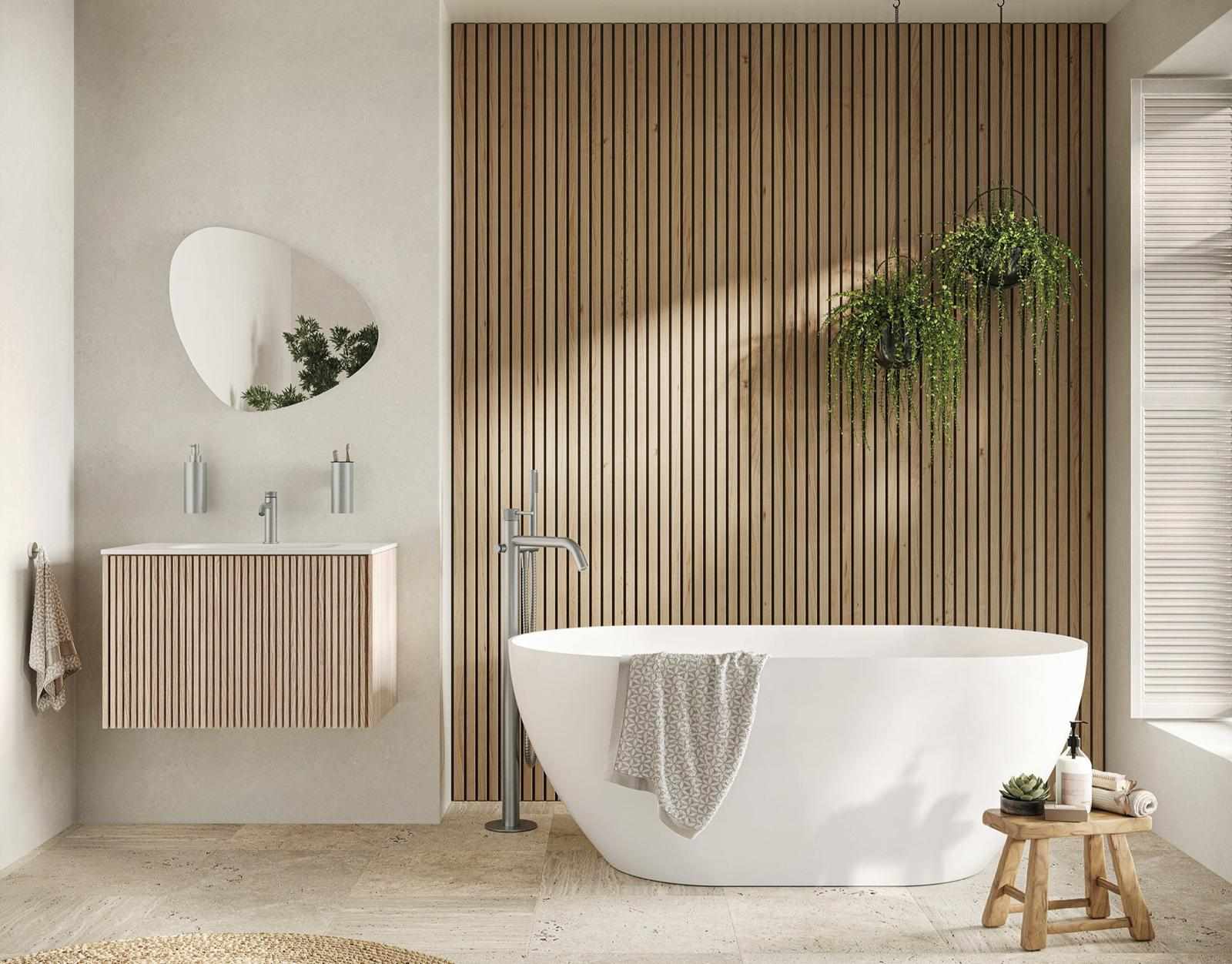
A properly done wall panel design can feel great for the character of any room. Monochromatic colors and varied materials not only provide visual rhythm and dimensionality to geometric layout, layered panels, or vertical slats. For example, vertical panels help ceilings look taller, and grid-style formats add orderliness and elegance. These muted architectural magic tricks give designers a way to distort perforations of space without interfering with the material structure.
The final output is highly dependent on material selection. A timeless element like wood is always a favorite; however, MDF and PVC panels are also available — they are cheaper and do not require too much maintenance. In bedrooms and lounges, the fabric-covered panels introduce softness and improve acoustics. Applying wall panel design in textured materials like stone veneer or 3D composites can also impact the tactile experience of a space.
Paneling is put in place a lot of times, which accentuates the lights also. Illuminated panels can backlight floor patterns or be used as ambient light by placing LED strips close to the ground. The interplay of light and structure also gives the walls a kinetic quality—improvement in interactivity and visual interest. Such lighting techniques are commonly used in commercial settings to build brand and create a memorable people experience.
Design is not their only strength; the other big benefit of a panel-based solution is functionality. Popular contemporary systems are intended to hide wiring, insulation, or minor wall imperfections. It also makes them especially helpful in renovation projects where structural adjustments would be impractical. Acoustic panels also help manage sound levels, thus making noisy homes or work areas much more comfortable places to be.
Sustainability considerations are also influencing the evolution of interior finishes. Renewable materials like recycled composites and out-managed wood are becoming more popular. Using this type of material in a wall panel design aids environment-friendly construction practices without compromising high design quality.
Different materials and finishes have different maintenance requirements. Smooth panels allow a quick wipe with a damp cloth, and textured surfaces will need the occasional dusting to keep them in their pristine condition. The unique protective coatings make them even more durable, so the panels are still visually pleasing over time.
Design sets out to tickle the imagination, so getting that balance right ensures a wall panel design can be creatively used in an interior room. It lends versatility, adds to the structural beauty, and supports a holistic design story. As trends increasingly lean toward individuality and smart functionality, wall paneling is still an incredibly effective tool in creating refined yet modern spaces.
Daylen Smith is the author of this article. To know more about interior wall paneling, please visit our website: andorwillow.com.

Write a comment ...